The Fire and the Spark
I have always loved the outdoors. Hiking, camping, lively nights at the cottage or quiet ones in the backyard, I treasure them all. And one of the best parts of the outdoor experience for me is sitting around the campfire. Whether sharing stories with friends or just quietly watching the flames dance in the dark, there’s something about it that feels magical… even primal.
A campfire, of course, needs tending. Firewood has to be added and adjusted, or eventually the flames fade. When the spark goes out, the fire dies. But if there are still embers, it can come back. I think the same is true of creativity.
A lot of artists, authors, and creative people know this feeling all too well. The spark, the muse, the motivation to create, can burn hot, or it can disappear completely. Even the most prolific creators hit a point where what once felt easy and exciting starts to feel heavy, even impossible.
Why does that happen? And maybe more importantly, what do you do when it does?
I don’t know that I have the answer, but I can speak from experience because I went through it myself, for a long time. I lost it… and I got it back.
Creative Child
When I was a kid, I loved drawing, making up stories, building plastic model kits, anything creative really. It all came naturally. Looking back, I do think it helped that there were fewer distractions. No work, no internet, no smartphones. Just time and imagination.
Art and creativity was such a big part of who I was all through primary and high school that continuing down that path felt like the only real option. As a result, I ended up getting into a post-secondary animation program. I didn’t dream of becoming an animator, but it seemed like a good place to start.
The program itself was intense. It was designed to prepare you for the reality of studio work, which meant long hours, late nights, weekends… a lot of grinding. It was tough, no question—but the spark was still there so I powered through it.
Finding a Direction
At some point though, I realized animation wasn’t quite right for me, so I switched over to studying Illustration. That opened things up in a different way. Painting, conceptual thinking, trying to distill bigger ideas into a single image. I really enjoyed that shift, but even then, I wasn’t completely settled.
I started branching out more, dabbling in photography, graphic design, anything that let me explore different ways of creating. Graphic design, in particular, seemed to stick and I managed to build enough skill to start landing clients after graduation. That turned into a full-time career, mostly doing package design for a consumer products company, for many years.
Through all of it, the spark was still there. Maybe not quite as strong as I wasn’t drawing for fun as much, but it was always accessible. If I wanted to create something, I could.
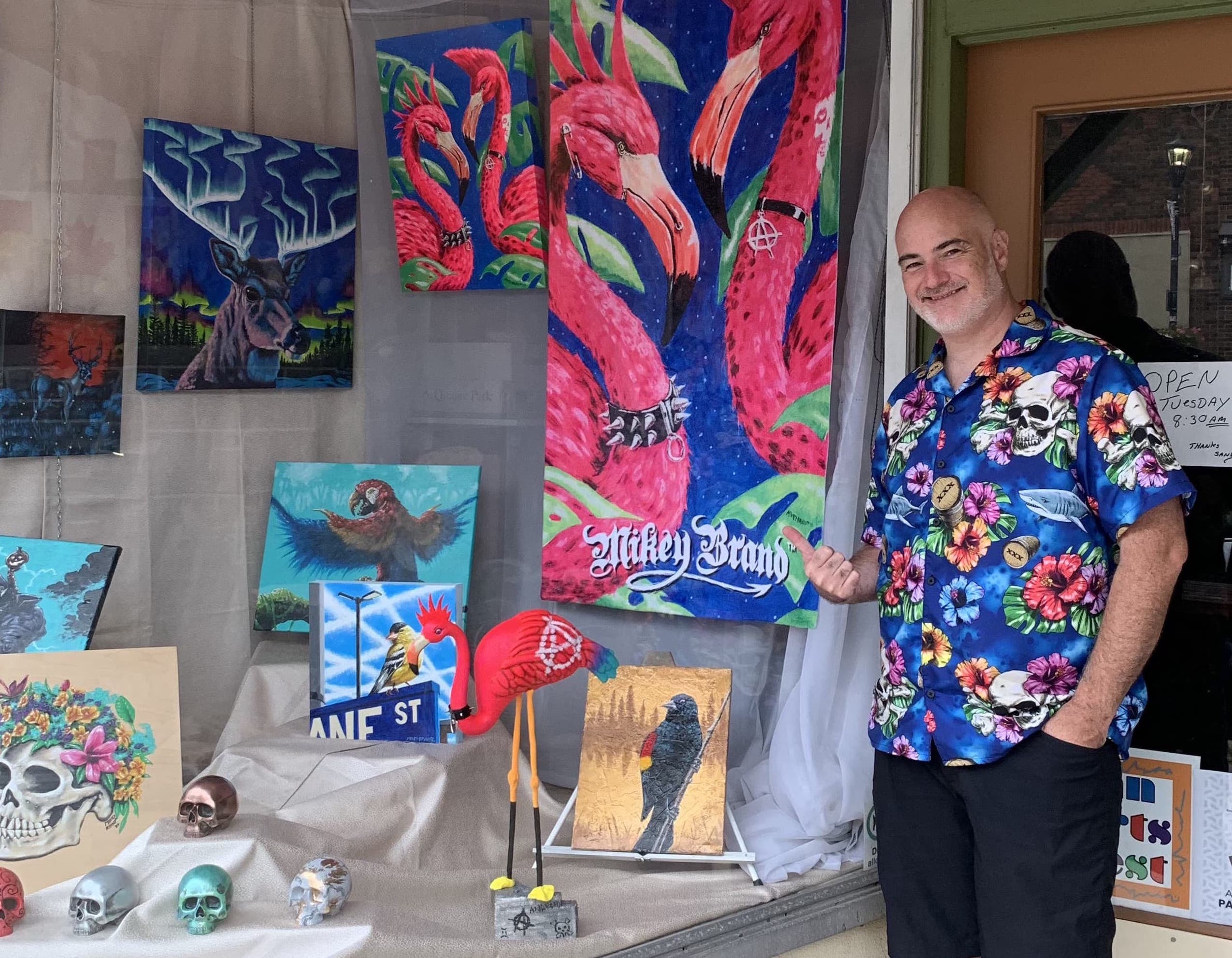
There were even stretches where I expanded into new areas. I started a small streetwear line side hustle, held some pop-up art shows, and kept looking for new outlets for creative expression. Eventually, that led me to a medium that I’d always been interested in: video.
The Dream Job
I started taking on extra projects at work outside of my regular duties. Shooting product promo videos, making internal content, anything that gave me a chance to experiment a bit with hands on, DIY filmmaking. It didn’t take long before people started noticing, and eventually I was able to move into a role focused on making digital content for the in-house advertising department.
All of a sudden, I was making videos full-time. Even TV commercials.
It was a pretty incredible experience, and in a strange way, animation school had actually prepared me well for it. This was more fast-paced, more demanding, more high-pressure work than what I had done before—but I was ready for it.
And from the outside, it really did look like a dream job. There was travel to shoots in some amazing places, a constant stream of new projects, and lots of opportunities to push myself creatively. I got to work with, and learn from, some seriously talented people on high-profile brands.
For a long time, it was what a lot of people imagine when they think of a fulfilling creative career.
When the Spark Goes Out
The problem was that over time, with so much creative energy being poured into the work, I could feel something starting to wear down. It wasn’t dramatic at first. More subtle than that.
The desire to make art just for the sake of it slowly started to fade. Not completely, and not all at once, but enough that I noticed it. Enough that the things I used to take for granted—like picking up a pencil to draw—started to feel just a little bit heavier. I told myself it wasn’t really an issue. I was still creating every day, after all. That should have been enough, but it wasn’t quite the same thing. I was producing but I didn’t feel like I was truly creating anymore.
That distinction ended up mattering more than I expected, because it wasn’t just about the work. It felt like I was losing a part of myself the further I went along that path. The part that had always been the most me was slowly being replaced with meetings, reports, reviews, metrics… all the things that come with doing creative work in a corporate environment.
I could see it happening, but I didn’t really know how to fix it. The job was still a good job. Stable, rewarding and engaging in its own way. But there was a cost, and I wasn’t sure for how much longer I’d be able to keep paying it.
A Reset
A few years later, things changed again and this time not by choice. The company I was with, like so many others, went through some major restructuring. Suddenly I found myself no longer part of something that had been a constant in my life for so long.
Losing that kind of stability is unsettling, no question. But alongside that, there was something else I hadn’t felt in years.
Freedom.
After working full time for decades, having that kind of space was completely new to me. No deadlines waiting, no immediate pressure to jump into the next thing. And while most people in that situation would probably start looking for another job right away, that’s not where my head was at.
Rebuilding the Spark
My priority wasn’t securing another job; I wanted to get the creative spark back. I wanted to make art again. I wanted to see if I could enjoy drawing and painting just for the sake of it like I used to years ago. I wanted to try to find that piece of myself that had been missing for so long.
Only once I was whole again could I contemplate finding work, otherwise I’d be right back in the same boat.
The Return of the Spark
So how did I go about it? I started by taking time to just appreciate art again, not forcing myself to make it. I started going to galleries and consuming art, listening to artists talk and share their own experiences. I watched friends in similar situations make art which greatly inspired me to do the same.
Eventually I picked up a brush and started painting. It was tough at first, but after a while, it started to flow freely once more.
The results weren’t always ideal, but sometimes they were alright. I started sharing my work with others and was energized by receiving positive feedback. Then came the exhibitions, new ideas, new projects. Little by little I could feel the embers starting to ignite the fire once more. And as it turns out, the fire would burn brighter than ever.
Final Thoughts
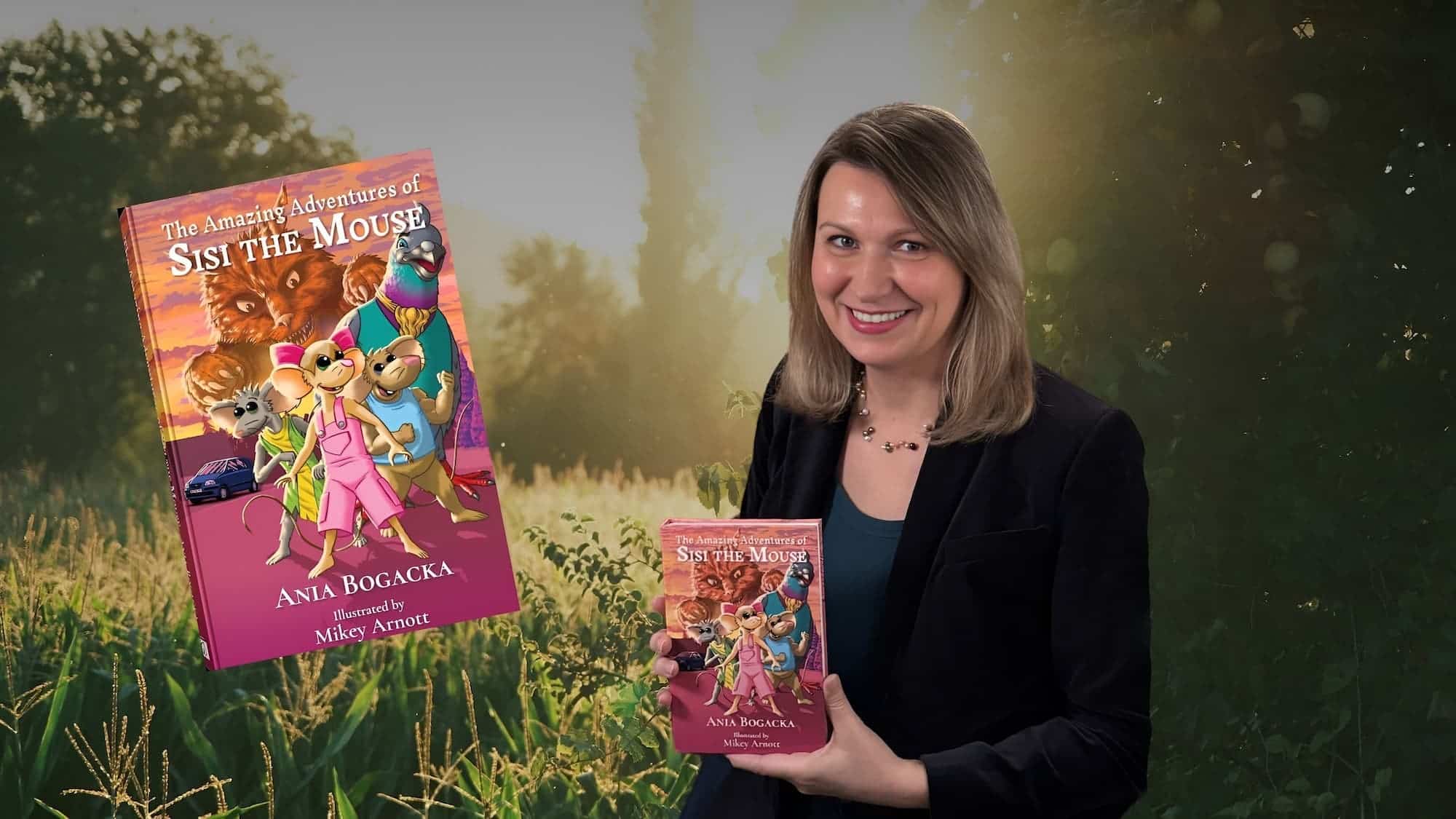
That period of my life always brings me back to a line from our book The Amazing Adventures of Sisi the Mouse, where Grandma Kiki says:
Don’t succumb to the dangers of complacency.
It’s simple, yet very astute.
Comfort can be a good thing, but if you’re not paying attention, it can also quietly pull you away from the things that matter. But be assured that as long as the embers of creativity still burn, the creative fire can ignite again.
It did for me and I’m sure it can for you, too.